The world of nutrition is really loud right now. One day, you hear that carbs are bad for you, and the next day, someone tells you that the only way to live is to drink juice. It makes you tired, right?
But here’s the thing: no matter how many trends and noises there are, the basic fact stays the same. A balanced diet is not simply a notion; it is the most basic thing you can do to live a life that feels good. This isn’t a quick fix or a summer shred. We’re talking about making a body that will last.
Taking away all the fancy marketing, eating healthily is really about providing your body with the best nourishment it needs.
What is a balanced diet?
Before we talk about the benefits, let’s make sure we know what we’re talking about. A balanced diet doesn’t mean cutting back. It’s not about never eating pizza again.
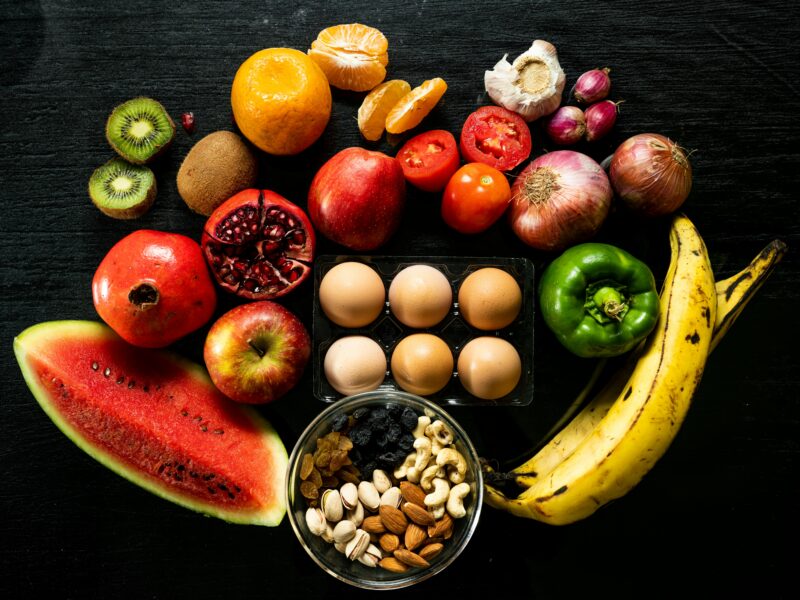
It’s all about variety. It involves getting the correct amounts of macronutrients (proteins, fats, and carbohydrates) and micronutrients (vitamins and minerals) to keep your body working well.
Imagine that your body is a fast car. The engine sputters if you put sugar in the gas tank. It goes for miles without breaking down if you give it the correct fuel.
10 Health Benefits of Eating a Balanced Diet
You want to know why this is important? This is how it works. These are the real changes in your body and mind that happen when you put nutrition first.
1. Long-Term Weight Control
Don’t bother with crash diets. One of the best things about eating a balanced diet for your long-term health is that it helps you keep your weight stable. You feel full when you eat foods that are high in nutrients, like lean meats and veggies high in fiber.
- Fiber slows down digestion, so you don’t have to go to the pantry an hour after lunch.
- Metabolism: Eating enough protein speeds up your metabolism since your body uses more calories digesting protein than it does fats or carbs.
You stop fighting your body and start working with it.
2. An Immune System That Is Strong
No one has time to be sick. Your immune system is like a bodyguard, and it has to be well-paid.
Vitamin C, Vitamin E, and Zinc are not simply pills you get at the drugstore; they are also found in citrus fruits, almonds, and leafy greens. When these things are lacking, viruses and bacteria can get through.
Harvard Health says that eating a lot of fruits and vegetables gives you phytonutrients that help your immune system work better. You get better faster after a cold and feel stronger in general.
3. Energy Levels That Don’t Drop
We have all been tired at 3:00 PM. You have a sweet snack, get a boost of energy, and then crash hard. That is the roller coaster of blood sugar.
A plate with a good balance of foods keeps your blood sugar constant. You may gently release energy by eating complex carbs like brown rice or oats with healthy fats and protein.
- No spikes: Steady glucose levels suggest steady concentration.
- No jitters: You don’t get the anxious feeling that comes from attempting to make up for bad feeding with caffeine.
4. Keeping your heart healthy and disease-free
This is the most important one. Heart disease is still one of the top causes of death around the world, but a lot of that risk can be controlled by what you eat.
Cutting back on saturated fats and salt while eating more healthy fats, like olive oil and avocados, protects your heart.
- Blood Pressure: Eating foods high in potassium, including bananas and potatoes, can help counteract the effects of sodium.
- Cholesterol: Oats and beans contain soluble fiber that acts like a sponge, soaking up harmful cholesterol before it can block your arteries.
The American Heart Association always supports the premise that eating a lot of whole foods lowers the risk of heart problems.
5. Better mood and clearer thinking
Your brain and your stomach work well together. The vagus nerve connects them, and they talk to each other all the time. This is why scientists refer to the gut as the “second brain.”
If you eat junk food that has been processed, your head will feel foggy. A diet high in refined sugars is commonly connected to brain inflammation, which can make people anxious and depressed.
On the other hand, meals high in Omega-3 fatty acids, such as salmon and walnuts, help brain cells grow. Eating healthily really enables you to stay calm and think clearly.
6. Teeth and bones that are stronger
We often neglect our bones until they start to hurt. But keeping your bones safe is a fundamental long-term goal.
Calcium is the clear hero here, but it needs a sidekick: Vitamin D. Your body can’t absorb the calcium you eat without it.
As you become older, eating dairy products, leafy greens, and fortified meals will keep your bones robust, which will help you avoid osteoporosis later in life.
7. Better Sleep Quality
Are you having trouble falling asleep? Check out your plate. Eating heavy, oily foods soon before bed can make it hard to sleep. Your nervous system stays on high alert when you drink sugar and caffeine.
Some minerals, like magnesium, which is found in almonds and spinach, can help your muscles relax and get your body ready for sleep. A better diet makes your REM cycles longer, which means you wake up feeling refreshed.
8. Skin and hair that glow
You can spend a lot of money on serums and lotions, but the genuine shine comes from within. Your skin is an organ, and it shows what’s going on within.
- Hydration: Foods high in water keep skin full.
- Vitamin C is important for creating collagen, which keeps skin from getting wrinkles.
- Antioxidants: Berries and dark chocolate help battle oxidative stress, which makes your skin age faster.
9. Living a long time and getting older gracefully
We don’t just want to live longer; we want to live better. People in the “Blue Zones,” which are places in the world where people live the longest, all have one thing in common: their food.
They consume mostly plants, very little meat, and no processed garbage. What happened? They stay active, bright, and able to move around well into their 90s. That is the main purpose of the long-term health benefits of a balanced diet.
10. Health of the digestive system
People don’t want to talk about it, yet digestion controls your day. If you don’t eat enough fiber, you may feel bloated, constipated, and generally uncomfortable.
Fruits, vegetables, and whole grains help keep the digestive system going. Also, fermented foods like yogurt and sauerkraut add good bacteria (probiotics) to your stomach, which makes your microbiome healthy.
How to Make a Balanced Plate Without Having to Measure Everything?
So we know why we have to do it. But how do we really do it without taking a food scale with us all the time? This is the simple plan.
The Rule of 50/25/25
It’s easier to picture your plate than to measure calories.
- Half of your plate should be filled with colorful fruits and vegetables. Peppers, spinach, broccoli, and berries. This gives you the vitamins and the volume.
- 25% Lean Protein: Chicken, fish, tofu, beans, or lentils. This helps your tissues heal.
- 25% of your diet should include complex carbohydrates, such as quinoa, sweet potatoes, and whole wheat pasta. This provides you with strength.
- Add a Thumb of Fat: A drizzle of olive oil, a handful of seeds, or a slice of avocado.
Water is very important
You can’t talk about food without also talking about water. Water is needed for every chemical reaction in your body. When you don’t drink enough water, your metabolism slows down, and your brain goes hazy.
Try to be clear. Drink extra if your pee is black. That’s all there is to it.
Don’t get rid of, limit
You want something as soon as you say no to it. That’s just how people are.
Instead of saying “I will never eat sugar,” say “I eat sugar sometimes.” The World Health Organization says that free sugars should make up less than 10% of your overall caloric consumption, but they don’t say you have to live a miserable life without sugar. It’s about most of your choices, not just a few.
Common Myths That Get in the Way of Your Progress
Let’s get rid of some myths that might be stopping you.
Myth 1: “Food that is good for you costs too much.”
It can be, but it doesn’t have to be. Frozen vegetables are equally as healthy as fresh ones, but they cost half as much. Rice, beans, and seasonal fruits and vegetables are cheap staples. You spend more for “convenience” items, not healthful foods.
Myth 2: “Fats Make You Fat”
This is how people thought in the 1990s. Your body requires fat to protect your organs and help you absorb vitamins. The kind of fat is what matters. Avocado? Yes. Batter that has been deep-fried? No.
Myth 3: “Carbs Are Bad”
Carbs are what give you energy. You might drop water weight rapidly if you cut them out altogether, but you’ll probably feel tired and cranky. Instead of processed white sugars, pick complex carbs that take a long time to digest.
Shifting: Things You Can Do Right Now
You don’t have to change everything about your life by tomorrow morning. That will lead to failure. Begin with tiny things.
- Change your drink: Today, trade one soda for a glass of water.
- Add, don’t take away: Instead of taking away dinner, add a salad to it.
- Make a bigger batch of a healthy dinner so you can have a good lunch the next day.
In conclusion
There is no doubt that a balanced diet is good for your long-term health. It’s about putting money into your future self.
You are making your body strong against disease, full of energy, and cognitively bright. It’s not about being flawless; it’s about being consistent. It’s about choosing the right thing more often than the wrong thing.