The Question is something that everyone who has ever informed someone they are a vegetarian has heard. You know what I’m talking about. “But where do you get your protein?” It’s the classic dinner party interrogator. It happens so regularly that you could start to distrust yourself.
There is so much noise out there that I decided to write this advice. There are the hardcore gym dudes who think you need steak to create muscle, and then there are the extreme vegans who say you can survive on air and lettuce. Neither is correct.
The Protein Myth: Let’s Set the Record Straight
Every time someone thinks about giving up meat, they ask the first Question again. Legends, gym stars, and your worried grandmother all say that being a vegetarian is weak. But I wonder if this anxiety is really based on reality. Or is it just an outmoded way of thinking?
It’s a whole ghost story that vegetarians don’t get enough protein. Why? I’ll give you the easiest proof. Check out some of the best endurance athletes in the world. Look at elephants. Take a look at gorillas. They get a lot of strength from plants.
We agree that meat is a convenient packet of protein. But don’t let that make you think it’s the only way. A lot of meat-eaters I know don’t get enough nutrients because they don’t pay attention to fiber and vitamins.
It’s hardly a secret how vegetarians can obtain enough protein. All you have to do is change your attention. The individuals who think it’s impossible are the same ones who haven’t read the nutrition label on a bag of lentils.
Amino Acids: The Building Blocks
Let’s start with the science part, although I’ll make it easy. Protein isn’t just one big thing; it’s made of little blocks called amino acids.
- The Basics: Your body can’t manufacture nine amino acids on its own. You have to eat them.
- The “Complete” Argument: Meat possesses all nine of them. Some plants have them, although not all of them.
- The Old Rule: People used to say that to have a full protein, you had to eat rice and beans at the same meal.
- The New Truth: Your body knows better than that. Your body will store the amino acids and make the full proteins for you as long as you eat a variety of foods throughout the day.
You don’t need a calculator while you eat. You need some diversity.
How Much Protein Do You Really Need?
Learn the figures to get the most out of your intake. People become confused here. People assume they need to eat 200 grams a day, as bodybuilders do.
Here is a simple breakdown for the average person:
- The Baseline: The Recommended Dietary Allowance (RDA) is about 0.8 grams of protein for every kilogram of body weight.
- The Math: You require roughly 56 grams a day if you weigh 70 kg (about 154 lbs).
- The Active Factor: If you work out or run marathons, raise it to 1.2 or 1.5 grams per kg.
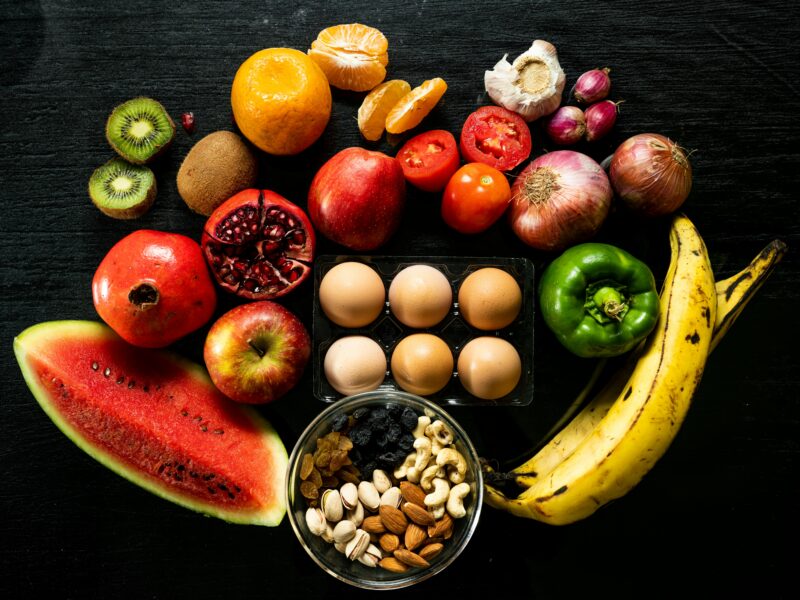
It’s surprisingly easy to get to 56 grams without eating any chicken. You are almost there with two eggs, a cup of Greek yogurt, and a bowl of lentil soup.
Best Sources of Vegetarian Protein
Now, let’s go to the meal, which is the best part. Who else sells meat?
1. The Legume Legends (Beans and Lentils)
Lentils just snagged the top spot in my pantry again. That’s not a coincidence. There are roughly 18 grams of protein in one cup of cooked lentils. That is a lot of energy. These people are what make the vegetarian diet work.
You can use lentils in soups, stews, or even cold salads.
Chickpeas can be made into hummus, curries, or roasted and eaten as a snack.
Black Beans: Taco night is your best friend here.
2. The Soy Powerhouse
Soy is basically the king of plant protein. Why? Soy is a complete protein, which is different from other vegetables. It has all nine amino acids that it needs.
Tofu takes on any flavor you give it. You can fry it, bake it, or scramble it.
Tempeh is a firmer, nuttier version of tofu. It’s fermented, which is great for your gut.
The best snack is edamame. A lot of protein, and it’s pleasant to eat.
3. The “fake” grains (quinoa and buckwheat)
You might assume these are just carbs, but quinoa is better than rice. It is another source of full protein. A cup of cooked quinoa is roughly 8 grams. It’s great for bowls or as a side dish.
4. Eggs and dairy (the vegetarian advantage)
If you don’t eat meat but do eat dairy, you have a secret weapon.
Greek Yogurt: This stuff is a wall of protein. There can be up to 20 grams in one cup. That’s almost a protein shake.
Eggs are the best food for biological value. Your body takes in egg protein very well.
Cottage cheese has a lot of casein protein, which gently nourishes your muscles over time.
5. Nuts and seeds
Don’t think less of the little guys. Chia seeds, hemp seeds, and pumpkin seeds are full of nutrients.
Hemp Seeds: Put these on everything. Three tablespoons have ten grams of protein.
Almonds and walnuts are good snacks, but if you’re keeping track of your calories, be careful.
Absorption: The “Bioavailability” Factor
Now, the second axis—getting your body actually to use what you eat. This is where some individuals mess up. Phytates and other “anti-nutrients” can make it tougher for the body to break down plant protein.
- Soak your beans to get rid of the things that stop absorption.
- Pair with Vitamin C: Eating plants that are high in iron? Put some lemon juice on it. It helps the body absorb.
- Chewing your food: That seems dumb, doesn’t it? But the mouth is where digestion begins.
A lot of well-known dietitians talked about “Leucine,” an amino acid that is good for muscles. It is less common in plants than in meat. The answer? Eat a little extra. If you need 20g of protein from meat, you should get 25g from plants just to be safe.
A Day of Eating
Let’s picture this. What does a normal day look like without trying too hard?
Breakfast
Bowl of Greek yogurt with fruit and hemp seeds.
About 25 grams of protein.
Lunch
A salad made of quinoa, black beans, corn, and avocado.
About 15 grams of protein.
Snack
A handful of nuts and an apple.
About 6 grams of protein.
Dinner
Broccoli with brown rice stir-fried with tofu.
About 20 grams of protein.
About 66 grams of protein in total. Look! You met the daily quota and didn’t even need a protein drink.
Do you need extra nutrients?
Let’s talk about supplements: Who needs them and why?
A big salute to the protein supplement business—they make billions by making you feel bad about yourself. I’m not going to lie: powders are easy to use. A shake is easy if you’re in a hurry to get to work or just finished a tough workout.
But here’s what I think: Do you really need them? No.
Pea protein, rice protein, and soy isolate are just a few of the many fantastic names in the plant-based world. I see a difference between whole food and this. Whole foods have minerals, fiber, and antioxidants. Powder only offers you single amino acids.
Don’t make supplements your main meal; use them as a “supplement.” Sure, if you’re traveling or caught in a food desert. But don’t depend on them.
Things You Shouldn’t Do
- Being a “Carb-atarian”: Just eating pasta and bagels. You need beans and vegetables.
- Don’t count calories: Nuts are fantastic, but a whole bag has 1000 calories. Be aware.
- Don’t eat the same item every day. For example, don’t eat tofu every day. Change the direction of your beans. Change the direction of your grains.
Final Thoughts
In short, my biggest problem is the fear-mongering that surrounds plant-based diets.
The notion that you will get feeble is historically unfounded. It shows once again that nutrition isn’t simply about meat. It’s about a combination of amino acids, making smart decisions, and getting enough calories.
The medical establishment is finally recognizing your tale about how you learned how vegetarians can receive enough protein. You have lentils, eggs, and quinoa. You have all the things you need.