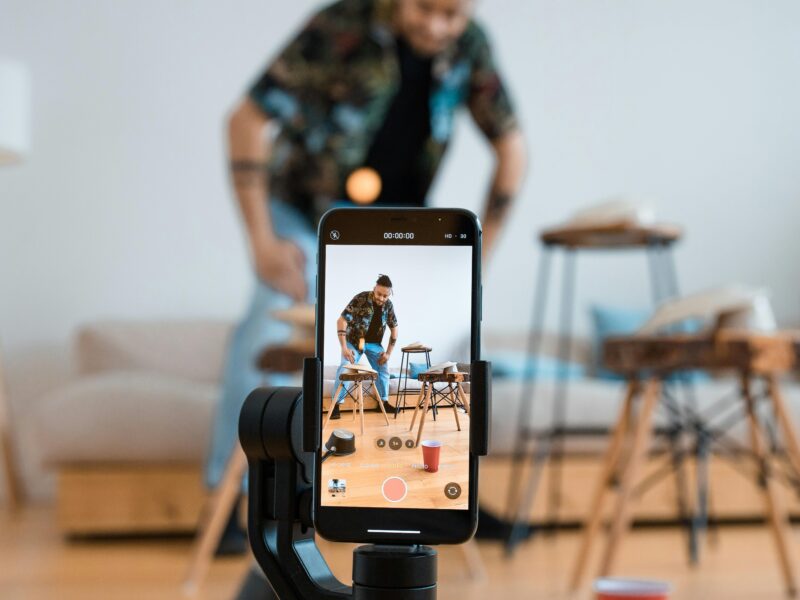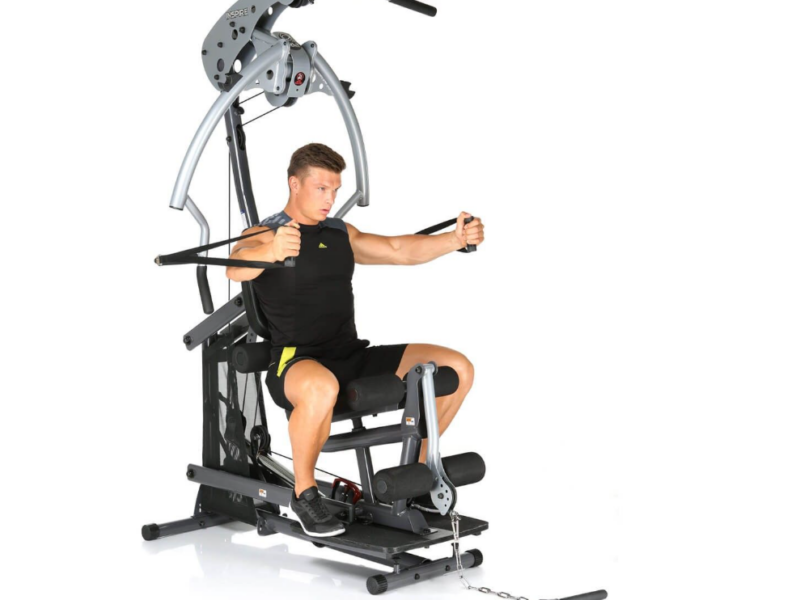
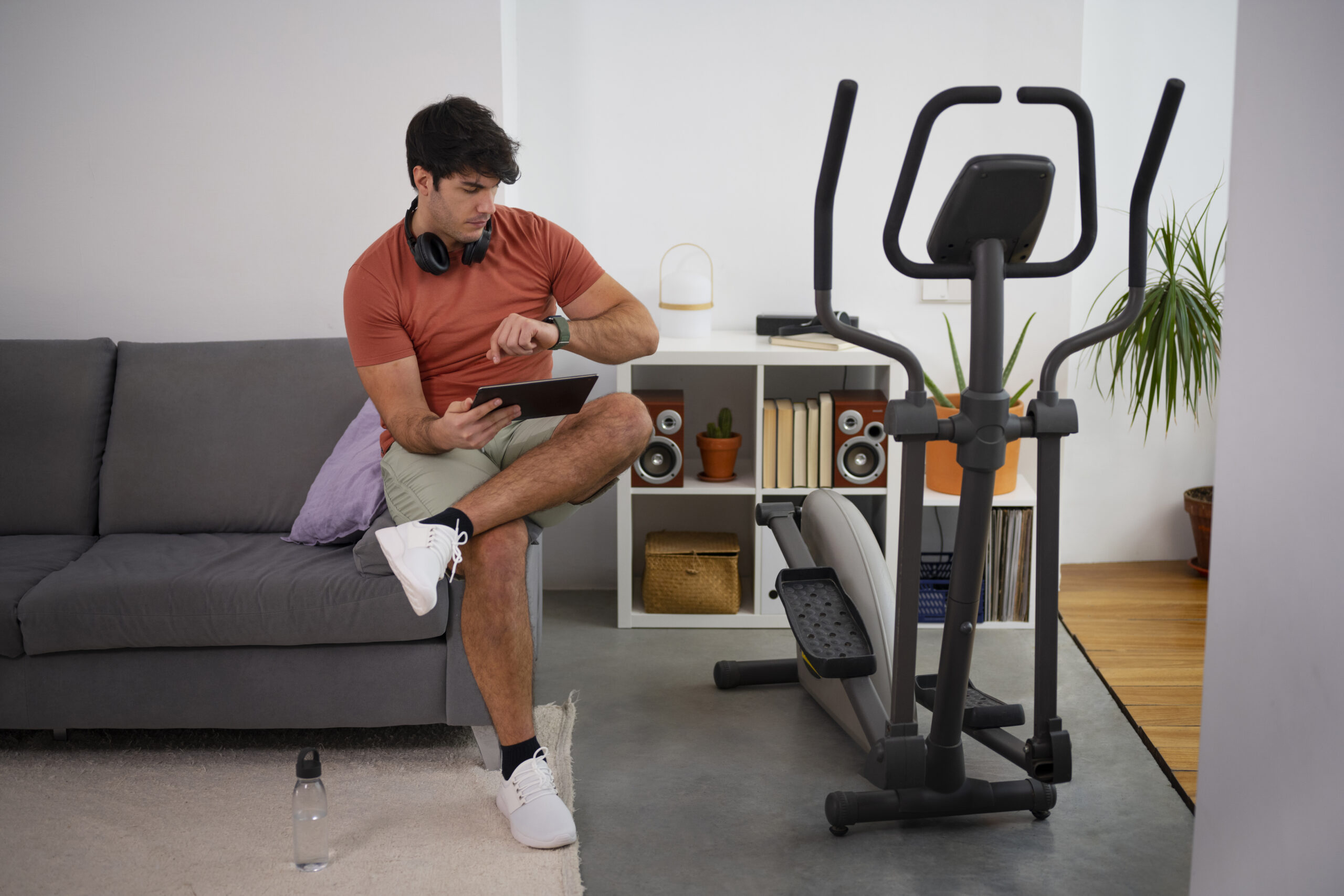
Today, when we read through TikTok in bed or watch Instagram Reels during our lunch break, we are designing our dream home gyms. This isn’t just a modest change in how people shop; it’s a complete change in the fitness business.
Social commerce and exercise gear are now officially working together.
A lot of people are moving away from traditional retail showrooms and into “link in bio” culture. It is speedier, more graphic, and depends a lot on who you trust online.
Is this change constructive for your gains, or is it hype?
Why We Buy Where We Scroll?
The idea is easy to understand. You witness a fitness influencer using a new pair of adjustable dumbbells that seem significant. The weights look easy to modify, and the video has 50,000 likes.
You don’t use Google. You click on the small shopping bag icon in the corner of the screen.
That is trade for people.
It makes it easier to go from “I want that” to “I bought that.” This is a big deal for the fitness sector.
The Trust Factor
This is the deal. We trust people more than we trust brands that don’t have a face.
- We know the people who make the things we like.
- Proof in Pictures: We see the equipment in use, not simply a picture of it on a box.
- Community Validation: The comments area is like a live evaluation.
Recent retail data shows that a huge number of Gen Z and Millennials now use social media as their main way to look for things. We believe a coach we trust when they state a specific walking pad is strong.
The Most Important Trends That Are Boosting Social Fitness Sales
It’s not a coincidence that social commerce and workout equipment go together. There are specific trends that are making this worse.
1. The “Aesthetic” Home Gym
Check out Instagram or Pinterest. Home gyms aren’t simply gloomy garages with old iron anymore.
They are beige, cream, and illuminated just right.
Visuals are essential for social commerce. Companies are now making things that look good on camera. We are getting yoga mats that go with our rugs and kettlebells that look like modern art.
2. Shopping Streams in Real Time
In a way, this is like QVC for the internet age.
Trainers will lead hour-long workouts on sites like TikTok Shop or Amazon Live, utilizing specific equipment.
- You can ask questions in real time, like “Is that treadmill loud?”
- You can see the work and the sweat.
- You obtain discounts that only last for a short period and show up on the screen.
It makes you feel like you have to act quickly in a way that a regular website can’t.
3. Content Made by Users (UGC)
If the brand says a $2,000 rowing machine is good, you are less inclined to buy it.
You buy it because you saw five different normal individuals post videos of how well they were doing with it. UGC is the new way to tell people about things. It feels real, rough, and unpolished.
The Benefits of Buying Gym Gear on Social
This new manner of buying has real advantages. Not everything is an impulse buy.
- Better demonstrations: A 60-second video shows you how to fold a treadmill better than a user manual ever could.
- Finding a niche: You locate one-of-a-kind items, like tibialis trainers or monkey foot attachments, that large box stores would never carry.
- Direct Access to Founders: A lot of tiny fitness firms get their start on social media. A lot of the time, you can DM the owner with inquiries.
Note: To cut out the intermediaries and keep pricing cheap, many new fitness firms now only launch on social media.
The Bad Side: Scams and Problems with Quality
We need to talk about the big issue.
You can’t trust everything you see on your “For You” page. It is very easy to get into the business of selling social commerce and exercise equipment.
The Dropshipping Trap
You could get a nice-looking massage rifle for $40.
In actuality, it’s often a cheap, generic unit that comes straight from manufacturing overseas with no quality control. The “brand” is just a social media account that might be away in a month.
How to Tell if Something Is Fake?
- Look at the Comments: Are actual individuals talking about shipment times, or are all the comments bots shouting “Need this!”?
- Take a screenshot of the product and use Reverse Image Search. You are getting charged more if you see the identical picture on AliExpress for half the price.
- Look for Specifications: An authentic fitness brand will tell you how much power the motor has, how much weight it can hold, and what materials it is made of. Scammers use buzzwords.
Connected Fitness: The Best Way to Shop Online
We have to talk about the big names in this field, such as Peloton, Tonal, or iFit.
These aren’t just pieces of metal; they’re social networks that are covered in plastic and steel.
Community as a Trait
You don’t have to pay for the flywheel when you buy a connected bike. You are paying for the leaderboard.
- High-Fives: You talk to other cyclists.
- Tags: You join groups based on what you like (#DadsofPeloton).
- Responsibility: Your online pals will notice if you don’t show up.
This is the best kind of social commerce and exercise gear. The purchase is only a way to get into the social circle.
What does it mean for traditional stores?
So, what does this mean for the old-school sports stores?
They are in a hurry.
Now, big stores are trying to copy the social feel. They are employing influencers, streaming live events, and making storefronts seem good on Instagram.
They will perish if they don’t change. The customer wants more than simply inventory; they want to be involved.
5 Tips for Buying Workout Gear on Social Media
Follow these principles to keep your money safe if you want to improve your home gym on Instagram or TikTok.
1. Check the Return Policy
Returns can be hard in social retailers. Make sure there is a clear, physical address for returns and a fair time frame (at least 30 days).
2. Look at the photos that are “tagged.”
Don’t check out the brand’s main feed. Check out the pictures that other people have tagged them in. That is how the product really looks when the light is awful.
3. Don’t pay attention to the “Was $500, Now $50” timer
That clock that counts down is not real. It is a trick of the mind to get you to buy things quickly. Take your time.
4. Look into the Influencer
Is the person who is selling the goods a fitness expert? Or are they a lifestyle influencer who has never worked out before? Put your faith in knowledge over popularity.
5. Look at the warranty information
Fitness equipment can break. If the landing page doesn’t have clear information on the warranty, leave.
The Future of Shopping for Social Fitness
Where is all of this going?
We are getting closer to Augmented Reality (AR). You won’t just be able to see a video of a squat rack soon. You may use the camera on your phone to put a digital version of it in your garage to see whether it fits.
We will also see more “community-owned” brands, where people who follow the brand get to vote on how the products should look before they are made.
There is no longer any space between the artist, the product, and the customer.
Why is this important for Your Health?
Accessibility is the most important thing at the end of the day.
Social commerce is a good thing if seeing a sleek, foldable treadmill on your page makes you walk 10,000 steps a day.
It takes away the fear factor.
Gyms can be terrifying. It can be hard to go to a pro shop. It seems comfortable to buy a set of bands since a creator you appreciate uses them.
It makes it easier to live a healthy life.
Final Thoughts
The world of social commerce and exercise equipment is changing more quickly than an HIIT workout.
It gives us access to new gear that we never had before, as well as convenience and community. But you need to look more closely. You need to be a wise shopper.
Don’t let the shiny edits fool you. Look for quality, read the specs, and buy from firms that care about their customers, not simply those that run the most commercials.