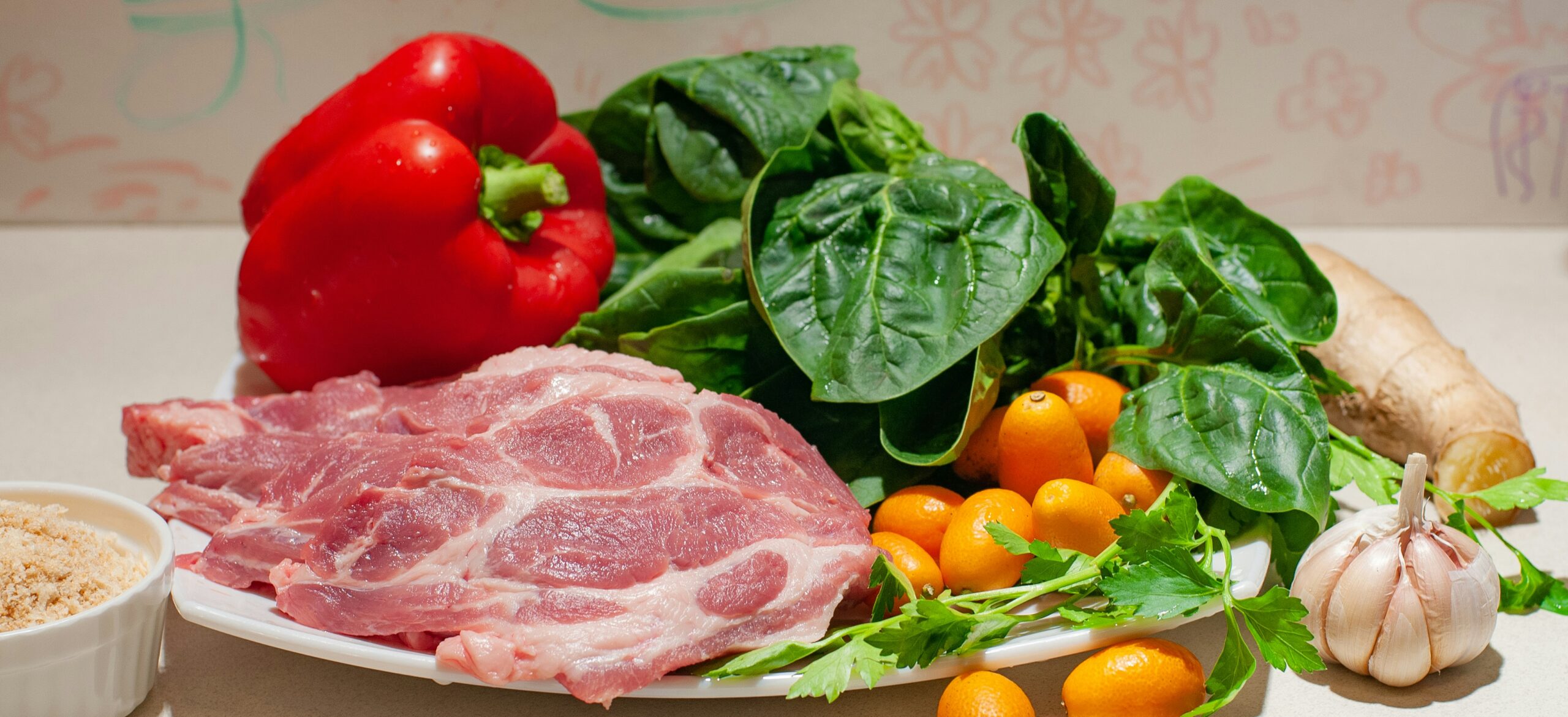
Protein in Animals and Vegetables: True or False Explained, we will also discuss the “incomplete protein” myth, the most bizarre things we see in diet culture, and the winners, reasons, and offerings of the competitors.
The most crucial thing is to examine the science rather than just the hype.
Value and Credibility in the Great Protein Debate
Prior to and during the emergence of new diet trends, the first question is asked annually. Fitness celebrities, gym legends, and many others claim that veggie protein is insufficient. However, I question whether plant protein has actually been undervalued. Has it lost its reputation, status, and worth?
In my opinion, the quality of your diet as a whole is more important than the source of your protein. Why? I’ll give you the most straightforward example.
Longevity zones, or areas where people live the longest, were the focus of the whole nutrition community yesterday. They eat enormous quantities of lentils and beans. But some bodybuilders consume steak and eggs and grow enormously.
We may agree with meat eaters, disagree with them, or be critical of vegans. I will critique both sides myself. Don’t assume that I’m content with the way things are. No, I will condemn processed meats and processed fake meats in a number of ways.
However, the most notable individual event in the field of nutrition is still the protein molecule itself. The macronutrient is what unites the entire body.
Animal and Vegetable Protein: A True or False Explanation
This is the main topic of our conversation. Let’s address the particular assertions made about protein in vegetables and animals: True or False Explained.
1. “Complete” animal protein (True)
The secret is that, in the realm of amino acids, animal proteins are the VIPs. All nine of the essential amino acids that your body is unable to produce on its own are present in them. Eating dairy, beef, fish, or chicken gives you a full arsenal for repairing your muscles.
2. The claim that vegetable protein is “useless” for muscles is untrue.
The biggest falsehood in the industry is this one. Despite lacking one or two amino acids, most plants are “incomplete” but useful. Your body blends grains and legumes if you eat a variety of them. You need all the pieces by the end of the day, just like when you’re assembling a puzzle.
3. It’s True or False That Animal Protein Is Harder on the Kidneys
High protein is acceptable for a healthy individual. However, the acid load from eating a lot of meat can be difficult for people who already have health problems. In general, plants put less strain on the system.
The Amino Acid Profile
Let’s now examine the chemical structure, the other axis. Amino acids are the building blocks of all proteins. Although they are largely supporting actors, they provide us with a sense of the overall caliber.
The Factor of Bioavailability
In general, the bioavailability of animal protein is higher. This indicates that your body readily absorbs it. For instance, the biological value of an egg is 100. The gold standard is this.
The Fiber Advantage
This is where plants retaliate. A steak provides both fat and protein. Lentils provide you with fiber, protein, and no cholesterol. For plants in the long-term health league, this is a huge competitive advantage.
The Harvard T.H. Chan School of Public Health claims that eating plant-based protein can reduce the risk of heart disease. You can’t ignore that stat.
Comparing Top Sources
Now let’s dissect the rivals. In reality, who is in charge of your kitchen?
The Animal Kingdom
- Beef: The heavyweight champion. High in iron and B12.
- Eggs: The perfect score. Cheap, versatile, and packed with nutrients.
- Whey: The sprinter. Absorbs incredibly fast post-workout.
The Plant Kingdom
- Quinoa: The anomaly. A plant that is actually a complete protein.
- Soy: The controversial contender. Despite the rumors, it’s a powerhouse for muscle building.
- Lentils: The endurance runner. Slow-digesting, keeps you full, stabilizes blood sugar.
Featured Questions: Breaking Down the Myths
To better understand Protein in Animals and Vegetables: True or False Explained, let’s answer the burning questions directly.
Do I need to combine plant proteins at every meal?
False.
Old science said you had to eat rice and beans at the same time. We now know the liver stores amino acids over the course of the day. You need variety within 24 hours.
Is animal protein inflammatory?
It depends.
Processed meats (bacon, sausages) are certainly inflammatory markers. However, lean poultry and fatty fish containing Omega-3s actually reduce inflammation. You cannot group a hot dog and a salmon fillet in the same category.
Can you get enough protein from plants?
True.
Look at the numbers. A cup of cooked lentils has about 18 grams of protein. That is comparable to a small serving of meat. You need to eat a higher volume of food, which is usually easier because it is less calorically dense.
The Health Impact: Who Wins the Season?
The “package” that the protein comes in must be examined.
Package of Animal Proteins
frequently contains cholesterol and saturated fat. Processed foods may have significant amounts of sodium. But it also contains heme iron, which is far more readily absorbed than plant iron.
Package of Plant Proteins:
contains phytochemicals, fiber, and antioxidants. These minerals help prevent heart disease and cancer. The drawback? For some people, antinutrients like lectins might result in bloating or gas.
On social media, I came across a lot of well-known influencers who blamed plant diets for bloating, yet they were all raving about the advantages of fiber. What if someone who says it’s terrible still acknowledges the benefits for digestion? What if it were, in his opinion, really so important?
Unfair Rankings in Nutrition
The second axis now includes the most peculiar items in the dietary classification. This is a yearly occurrence with diet rankings. There are some odd and inexplicable choices.
The “Bad” category of red meat:
Despite having a high nutritional density and a noticeable effect on strength, the steak was ranked last, as though its name had been added merely to make the list of carcinogens longer. When discussing unprocessed, grass-fed meat, this is unjust and nonsensical.
The “Dangerous” category of soy:
Its ranking shocked Westerners, despite its legendary history in Asian diets, where heart disease is less common. Many believed it deserved a higher ranking.
To put it bluntly, it is absurd to position lean beef in the same category as processed ham. And being afraid of soy due to beliefs about “estrogen”? With the information we now have, that is almost criminal.
Critical Considerations for Your Diet
You need to consider your personal objectives when choosing from these sources.
For Muscle Growth:
Animal protein works a little better. One particular amino acid, leucine, serves as the “trigger” for muscle building. There is more of it per gram in meat.
For Longevity:
Plant protein is superior. There is a correlation between a lower risk of death and substituting only 3% of animal protein calories with plant protein. It’s a heavy statistic.
For Weight Loss:
Any source of high protein is beneficial. It makes you feel fuller. However, eating more food for the same amount of calories is possible with plants, which has psychological benefits.
The Verdict on Protein Quality
Finally, let’s decide who took home the Golden Ball of Nutrition.
A special thanks to the flexitarians. Nobody is shocked, are they? The optimal diet typically blends the longevity advantages of plants with the effectiveness of animal sources.
What makes a varied diet successful? since it combines the best aspects of both worlds. Meat provides iron and B12, while veggies provide fiber and digestive health.
Here’s my personal view, though: which is better, strict carnivory or rigorous veganism?
Numerous diets received a lot of nominations. I perceive a significant difference when compared to a balanced approach. Some people found extreme restriction to be excellent, but it’s not the best for most people.