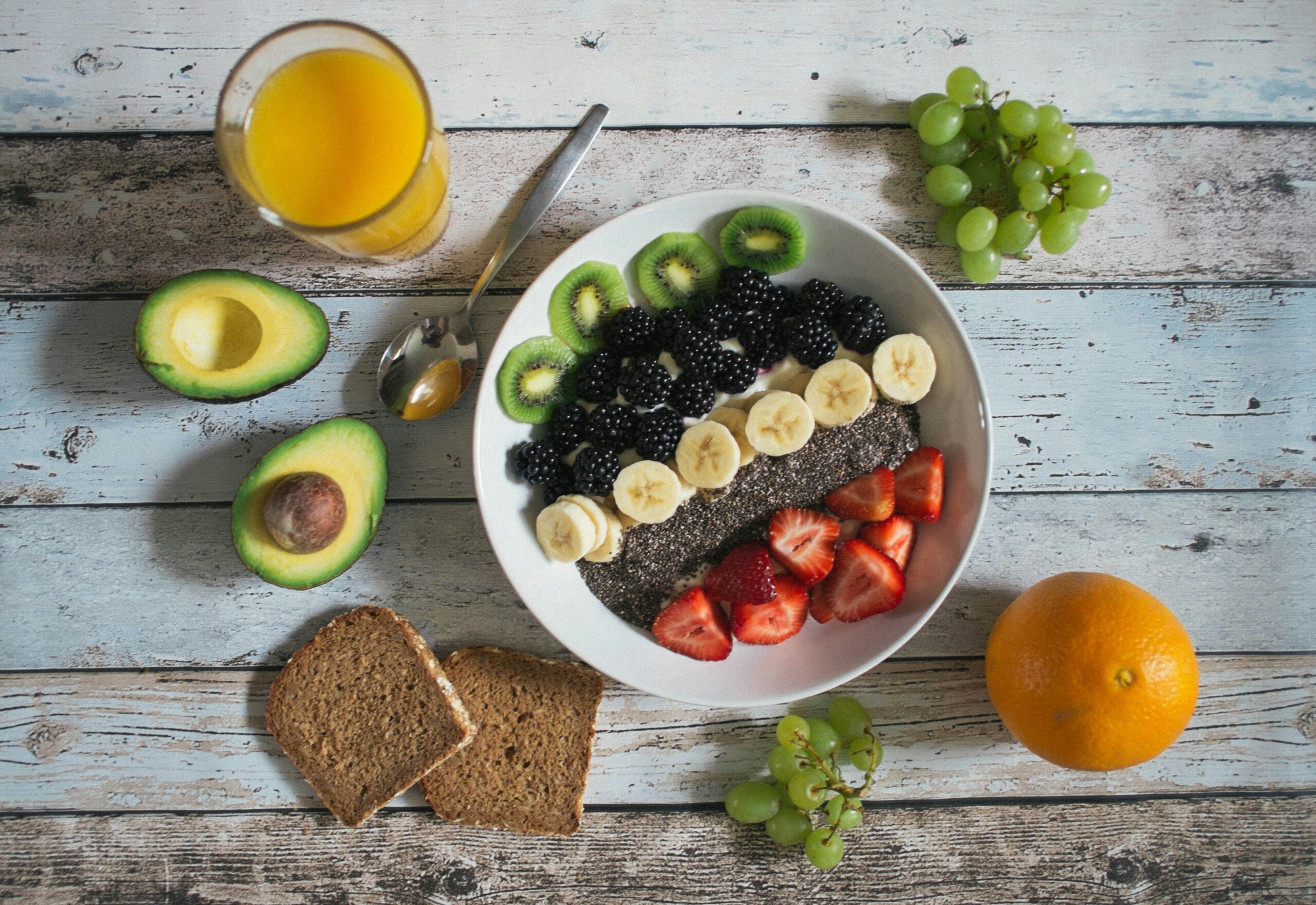
The link between diet and skin health is biological rather than a modern wellness fad. I have personally witnessed how dietary decisions affect the face, neck, and hands after years of clinical observation and a thorough exploration of the developing subject of nutritional dermatology.
The Gut-Skin Axis: Why Your Plate Matters More Than Your Cream?
The skin is not an isolated organ. It communicates directly with the gastrointestinal system through what researchers now call the gut-skin axis. When the gut microbiome is balanced—rich in diverse, beneficial bacteria, it produces metabolites that reduce systemic inflammation and support skin barrier function.
When it is dysregulated by processed foods, antibiotics, or stress, inflammatory molecules travel through the bloodstream and can trigger or exacerbate conditions like acne, rosacea, and psoriasis.
The practical takeaway is this: you cannot out-apply a bad diet. Topical retinoids and antioxidants work, but they work better when the body has the raw materials it needs to build healthy skin cells.
The Core Nutrients: What Your Skin Actually Needs?
Nutritional dermatology research consistently points to a specific set of nutrients that play non-negotiable roles in skin structure and function.
| Nutrient | Primary Skin Function | Deficiency Signs | Food Sources |
|---|---|---|---|
| Vitamin A (Retinoids) | Regulates skin cell turnover, prevents pore blockage | Rough, dry texture; follicular hyperkeratosis | Sweet potatoes, carrots, dark leafy greens, liver |
| Vitamin C | Collagen synthesis, antioxidant protection | Slow wound healing, easy bruising | Bell peppers, citrus, strawberries, broccoli |
| Omega-3 (EPA/DHA) | Reduces inflammation, strengthens lipid barrier | Dry, flaky skin; increased sensitivity | Salmon, sardines, walnuts, flaxseed |
| Vitamin E | Membrane antioxidant, UV protection | Muscle weakness, oxidative stress | Almonds, sunflower seeds, spinach |
| Zinc | Wound healing, sebum regulation, and anti-inflammatory | Acne flare-ups, delayed healing | Oysters, pumpkin seeds, chickpeas |
| Carotenoids | Photoprotection, skin coloration | Pale, dull complexion | Tomatoes, mangoes, apricots, red bell peppers |
Omega-3 Fatty Acids: The 16-Week Study That Changed My Approach
I used to recommend topical treatments first. Then I followed the 2024-2025 research out of Ludwig Maximilian University in Munich, and my approach shifted permanently.
The study followed 60 patients with mild to moderate acne over 16 weeks. At baseline, 98.3% of these patients had deficient omega-3 levels.
They were instructed to follow a Mediterranean-style diet and supplement with EPA and DHA (starting at 600mg DHA/300mg EPA, increasing to 800mg DHA/400mg EPA).
By week 16, patients who reached target omega-3 levels showed significant reductions in both inflammatory and non-inflammatory lesions.
Here is what this means practically: inflammation drives acne. Omega-3 fatty acids, specifically EPA, get incorporated into cell membranes and are metabolized into compounds called resolvins, which actively resolve inflammation rather than just suppressing it. This is not a magic bullet, but it is a foundational intervention.
The trade-off: Fish oil supplements can cause fishy burps and mild gastrointestinal distress in about 10-15% of people. Starting with a lower dose and building up, or using enteric-coated capsules, solves this problem for most patients.
What 8 Weeks of Targeted Eating Looks Like?
I worked with a 34-year-old female patient (name withheld) who presented with persistent papules on her cheeks and jawline. She had tried topical clindamycin, benzoyl peroxide, and two different birth control pills over three years. Results were temporary at best.
We ran no expensive tests. Instead, we audited her diet. She was eating a standard American diet: breakfast pastry, salad with bottled dressing for lunch, and pasta for dinner: no fish, few vegetables, minimal healthy fats.
We made three changes:
- Added 4-6 ounces of fatty fish (salmon or sardines) three times weekly. When she could not source fresh fish, she used canned wild salmon on salads.
- Switched cooking oils to expeller-pressed extra virgin olive oil. Commercially pressed oils lose most of their polyphenol content during high-heat processing. She used approximately 2 tablespoons daily across meals.
- Replaced afternoon snack with a handful of walnuts and an orange. The walnuts provided plant-based omega-3s (ALA) and zinc; the orange delivered vitamin C for collagen synthesis.
By week six, she reported fewer new lesions. By week eight, her husband commented that her skin “looked different.” At week twelve, she had clear skin for the first time in four years. She still uses a topical retinoid twice weekly, but the foundation is now nutritional.
The Carotenoid Connection: Eating for Photoprotection
One of the most underappreciated aspects of nutritional dermatology is the role of dietary carotenoids in UV protection. Carotenoids—the pigments that give tomatoes, mangoes, and sweet potatoes their red and orange hues—are stored in the skin’s subcutaneous layer.
From there, they act as a built-in antioxidant network, quenching free radicals generated by UV exposure.
This is not a replacement for sunscreen. But it is an additional layer of defense.
A 2001 randomized controlled trial (still one of the best we have) found that participants who consumed 40 grams of tomato paste daily for 10 weeks had 40% less skin redness after UV exposure compared to controls.
More recent research confirms that lycopene from tomatoes and beta-carotene from carrots and sweet potatoes accumulate in skin over weeks and contribute to measurable photoprotection.
The practical timeline: Carotenoids do not work overnight. You need consistent intake over 8-12 weeks to see changes in skin color and UV resistance. This is why crash diets fail—skin reflects long-term habits, not weekend cleanses.
What to Avoid: The Pro-Inflammatory Foods
If certain foods build skin up, others break it down. Based on both clinical observation and the 2024 review in the Nutrition journal, these are the primary dietary offenders:
- High-glycemic load carbohydrates: White bread, sugary cereals, pastries. They spike insulin and insulin-like growth factor-1 (IGF-1), which stimulates sebum production and androgen activity. This is the strongest dietary link in acne pathogenesis.
- Excess dairy: Some patients are exquisitely sensitive to dairy, particularly skim milk. The mechanism may involve IGF-1 or bovine hormones. A 2-4 week elimination trial is reasonable for patients with stubborn acne.
- Processed oils: Oils heated repeatedly or processed with high heat lose antioxidant content and may introduce trans fats, which promote inflammation.
- Alcohol: Dehydrates skin, dilates blood vessels (problematic for rosacea), and depletes vitamin A stores.
The nuance: Not everyone reacts to dairy. Not everyone needs to go low-glycemic. Genetic variability matters. The goal is pattern recognition, not dietary perfectionism.
Practical Implementation: A Skin-Healthy Shopping List
Based on the USDA FoodData Central analysis used in the 2024 nutritional dermatology review, these are the most nutrient-dense, accessible options :
Produce (fresh or frozen)
- Bell peppers (red and yellow have the highest vitamin C).
- Sweet potatoes (leave skin on for fiber).
- Tomatoes (cooked increase lycopene bioavailability).
- Berries (blueberries, strawberries, blackberries).
- Dark leafy greens (spinach, kale, chard).
- Citrus (oranges, grapefruit).
Protein
- Wild salmon (canned is acceptable and economical).
- Sardines (low mercury, high omega-3).
- Turkey (selenium source).
- Eggs (if tolerated).
Nuts and Seeds
- Walnuts (store in refrigerator to prevent rancidity).
- Almonds (vitamin E).
- Sunflower seeds.
- Flaxseed (ground for absorption).
Fats
- Extra virgin olive oil (look for harvest date on bottle).
- Avocado.
Beverages
- Green tea (2-3 cups daily for EGCG polyphenols).
- Water (minimum 2 liters, more if active).
Common Mistakes When Eating for Skin Health
Mistake 1: Expecting Immediate Results
Skin cell turnover takes approximately 28 days in young adults, longer as we age. Dietary changes reflect in the skin over weeks to months, not days. Patients who abandon interventions after two weeks never see the benefit.
Mistake 2: Supplementing Without Fixing the Diet
Popping fish oil capsules while eating fast food misses the point. Whole foods provide fiber, polyphenols, and cofactors that work synergistically. Supplements are exactly that, supplemental to a good diet.
Mistake 3: Overdoing “Healthy” Fats
Even healthy fats are calorie-dense at 9 calories per gram. Two tablespoons of olive oil is a reasonable daily target. More is not better and can contribute to weight gain, which has its own inflammatory consequences.
Mistake 4: Ignoring the Skin Microbiome
Topical products still matter. The skin has its own microbiome that interacts with systemic health. A combined approach—diet plus appropriate skincare—is always superior to either alone.
Final Thoughts
After years of studying what works and what doesn’t, I’ve arrived at a straightforward conclusion: the skin serves as a reporter for the internal state of the body. It accurately depicts metabolic health, inflammation, and nutritional status.
The same foods that support healthy hearts, brains, and immune systems also support healthy skin: nuts, seeds, olive oil, colorful vegetables, fatty fish, and clean water. There isn’t a distinct “skin diet.” Skin is one of the outward manifestations of a balanced diet.
Make one change first. This week, add fatty fish twice. Replace the afternoon cookie with a handful of walnuts and an orange. After a month of doing that, evaluate. What is effective will be shown by the skin.
Frequently Asked Questions
How long until I see changes in my skin from diet?
For most people, the first noticeable changes appear at 4-6 weeks. Significant improvements in texture, tone, and reduced breakouts typically require 8-12 weeks of consistent eating.
Do I need to take supplements?
Not if you are eating a varied, whole-foods diet. The 2024 NIH review specifically designed a skin-healthy diet using only whole foods that met all daily value requirements. Supplements are useful for specific deficiencies or for patients who cannot access certain foods, but they are not superior to food.
Is dark chocolate really good for skin?
Yes, but only if it is at least 70% cocoa and you limit intake to about one ounce daily. The flavanols in dark chocolate improve blood flow to the skin and provide some UV protection. Milk chocolate and white chocolate contain added sugar and dairy, which may negate benefits.
What about collagen supplements?
The evidence is mixed. Collagen is a protein, and the body breaks it down into amino acids before reassembling. It does not go directly from supplement to skin. Some studies show benefit, but eating adequate protein (fish, eggs, legumes) and vitamin C (for collagen synthesis) is a more reliable foundation.
Can diet alone replace my dermatologist-prescribed medication?
No. For moderate to severe acne, psoriasis, or other dermatologic conditions, dietary changes are adjunctive; they work alongside medical treatment, not instead of it. The 2025 omega-3 review emphasized this point: lifestyle interventions complement prescription medications.