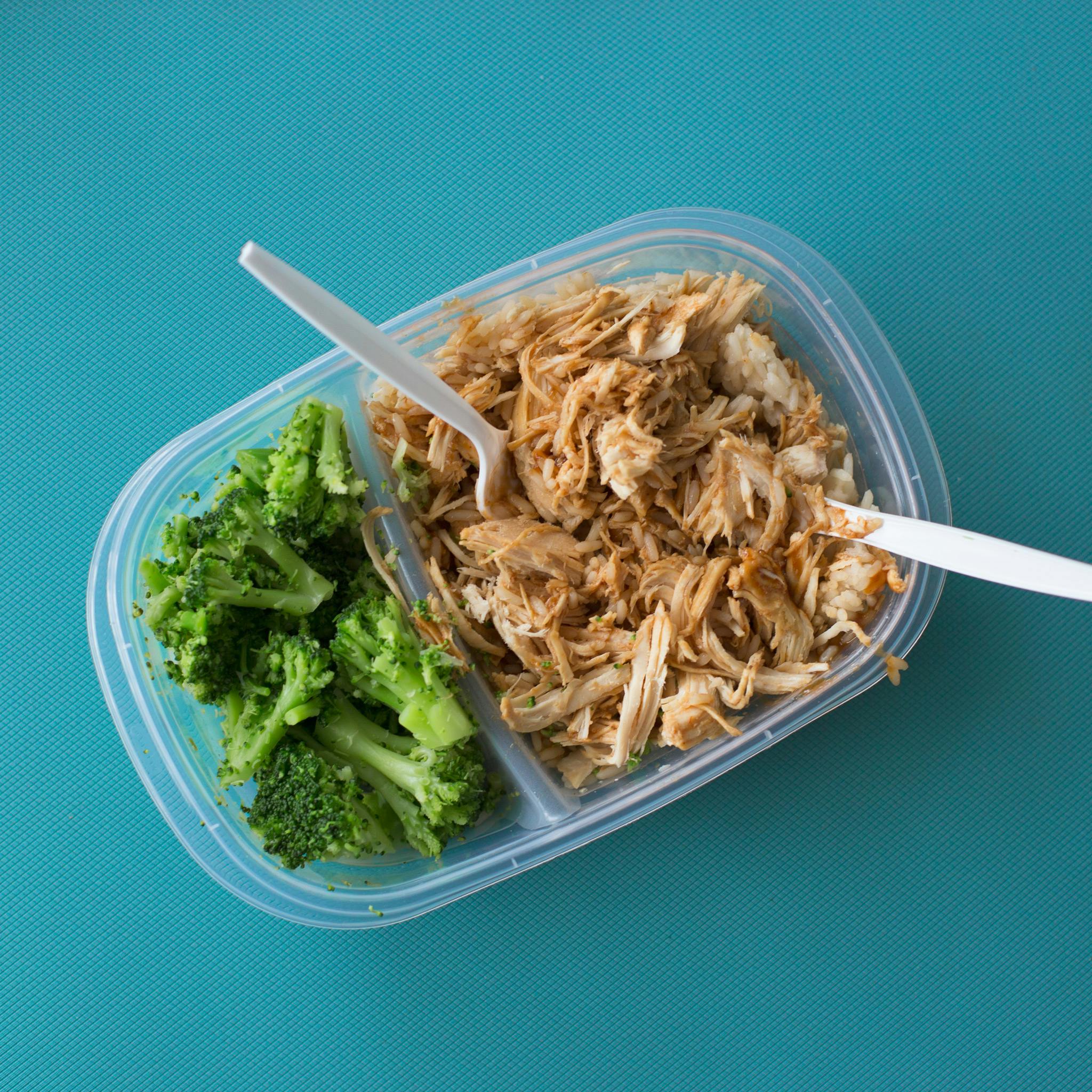
I want to remind you what we’re going to talk about today. We’re going to explain the “Hand Method,” speak about why it works, and address a very essential question: Is it really possible to get shredded or healthy just by gazing at your hand?
We’ll also discuss the exact composition of proteins, lipids, and carbs, as well as the weirdest things individuals do when they look at food.
It’s not only about losing weight; it’s about becoming free.
Why You Shouldn’t Use a Scale?
Every year, both novices and experts ask the first question again. Dietitians, those who work out a lot, and social media stars often advise that you need to weigh your food to see benefits.
But is that level of accuracy really essential for most of us? Has the skill of eating by instinct lost its value?
Using your hands to get an appropriate serving size is a useful skill. Why? Let me show you the simplest proof.
Remember the last time you had supper with your family or went to a wedding? Did you get a scale? Not likely. You probably predicted, worried about it, or just gave up and ate too much. The hand approach is the only tool you can take with you anywhere.
It fills the space between rigorous tracking and absolute disorder.
Some people could agree with tracking apps, while some might not. I’m going to condemn the need to be perfect. The hand method is the best way to stay healthy for the rest of your life, even though we might witness people getting results using scales.
It gives your diet a boost. Who wants to be the one who weighs broccoli at a party? No one.
Why Your Hand is the Best Tool?
The deal is that your hand is the right size for your body. In general, bigger people have bigger hands and need more food. People who are smaller have smaller hands and need less.
It works like a measuring cup that you can take with you.
When you focus on using your hands to get the right serving size, you are employing a method that grows with you. It gets rid of the hassle of entering every single bite into an app.
Research from trusted sources like Precision Nutrition shows that visual estimation is remarkably good at keeping things the same. And every time, consistency beats perfection.
The Ultimate Hand Guide Breakdown
Let’s start with the main point of this article: the real measurements. This is where the magic happens. We divide food into four primary groups, each of which is similar to a component of your hand.
The Palm: Where You Get Your Protein?
Your hand is the best way to measure protein, including chicken, fish, cattle, or tofu.
- The measurement is the thickness and diameter of your palm, not your fingers.
- The Amount: This is normally roughly 3 to 4 ounces of cooked meat.
- The goal is for men to eat two palms of food at each meal and for women to eat one.
Why the palm? Because protein is what makes things. It is thick, and your hand shows the substantial muscle you want to build or keep. It’s a strong measure for a strong macro.
The First: Fiber and Vegetables
Now it’s time to eat the vegetables. You can go crazy here.
- The measurement is a fist that is closed.
- The amount is about 1 cup.
- The goal is for males to get two fists and for women to get one.
The fact is. You can rarely eat too many leafy greens. Go ahead and eat three fists of spinach if you want to. The first shows how much there is. Like a fist takes up space in the air, vegetables take up space in your stomach.
The Cupped Hand: Carbs
This is when things become hard. A lot of us are in the “danger zone” right now—fruit, pasta, rice, and potatoes.
- The measurement: Your hand is shaped like you’re holding water.
- The amount is about half to two-thirds of a cup.
- The Goal: Men want two cupped hands, while women want one.
Carbs give you energy. They are food. But it’s also easy to consume too much of them. A cupped hand makes the surface area smaller. It automatically stops you from putting a pile of spaghetti on your plate. It makes you honest about what a “serving” truly is.
The Thumb: Good Fats
Lastly, the fats. Peanut butter, oils, nuts, and avocados.
- The measurement is the length of your thumb.
- About 1 tablespoon is the amount.
- The goal for men is two thumbs, and the goal for women is one.
Fats have a lot of calories. A spoonful of oil has more calories than a whole fistful of broccoli. The thumb is the smallest unit of measurement on your hand for a reason. It makes you humble.
Weird Rankings & Mistakes That Happen a Lot
Now, the second axis: the weirdest things I notice when people do this. We see strange logic in dieting, just like we see strange ranks in football trophies.
The “Open Hand” Mistake:
Some people think that “palm” means the complete hand, including the fingers. A 4-ounce steak turns into a 10-ounce ribeye all of a sudden. This is not fair to your diet plan. You need to be firm about the limits.
The “Heaping” Cup:
People often make a tower of rice when they measure carbs with their hands. You can’t count it as one cupped hand if it falls out of your hand. That’s not fair to the system.
The Peanut Butter Tragedy:
People glance at their thumb and then at a spoonful of peanut butter, and somehow they convince themselves that a huge pile is “thumb-sized.” Let’s be honest: we all want more peanut butter. But calorie density doesn’t care how you feel.
Changing for Your Goals
Is this system stiff? No way.
If you want to gain weight, like a linebacker attempting to bulk up, you add a thumb of fat or a cupped hand of carbs.
If you want to lose weight, you should eat fewer carbs or fat.
You don’t need a calculator. You only need to change the variables.
- To lose weight, take away one “cupped hand” of carbs from your last meal of the day.
- To build muscle, add one “palm” of protein or “thumb” of fat to your meal after working out.
It lets you check your intake without using a spreadsheet.
A Useful Day of Eating
Let’s picture this. What does a whole day look like when you use your hands to guess the right amount of food?
Breakfast:
- Protein: One palmful of eggs, which is around two to three eggs.
- Vegetable: One fistful of sautéed peppers and spinach.
- Carb: 1 cup of oats in your hand.
- Fat: 1 thumb of walnuts.
Lunch:
- 1 palm of grilled chicken breast has protein.
- Veggie: 2 fists of mixed salad greens.
- Carbohydrate: One cup of quinoa in your hand.
- Fat: 1 thumb of olive oil dressing.
Dinner:
- One palm of salmon has protein in it.
- A fistful of grilled asparagus is a veggie.
- Carbohydrates: 1 cup of sweet potato in your hand.
- Fat: 1 thumb of avocado (or the fat that is already in the salmon).
Look! Not math. No worries. Just food on a dish that looks good.
The “Secret” Calories
We need to talk about the things that are hidden—dressings, sauces, and oils for cooking.
You might have the best piece of chicken ever, but if you cover it in a creamy sauce, you’ve broken the “thumb” rule for fats.
This is where you need to practice the “eye test.” When you make meals at a restaurant, you should always think that it contains at least two “thumbs” of fat in it. Butter is a favorite of chefs. It’s what gives food its flavor.
When you eat out, mentally take away a carb or fat from your allowance to make up for this. It’s a way to protect yourself, like parking the bus in a football game.
Is this correct enough?
This is the problem. “But my hand is different from his hand!” the critics will argue.
Yes, that’s the point.
The National Institutes of Health (NIH) and other health organizations say that metabolic rates are different for everyone. But a bigger individual usually has a bigger hand and a higher metabolic demand.
The relationship isn’t ideal, but it’s remarkably tight.
Use a scale if you’re a bodybuilder who will be on stage in two weeks. For those of us who live normal lives, the stress of measuring food elevates cortisol levels, which may be worse for your health than consuming an extra 5 grams of rice.
Final Thoughts
In short, the major thing I don’t like about the diet industry is how hard it is to get into. It’s too hard for them.
It’s been easy to use your hands to figure out how much food to serve for a long time. It shows once more that nutrition isn’t just about numbers. It’s a mix of being consistent, being alert, and being able to keep going.
We all adore the story of going from perplexity to clarity.
You don’t have to be good at math to be healthy. You only need to glance at your hand.