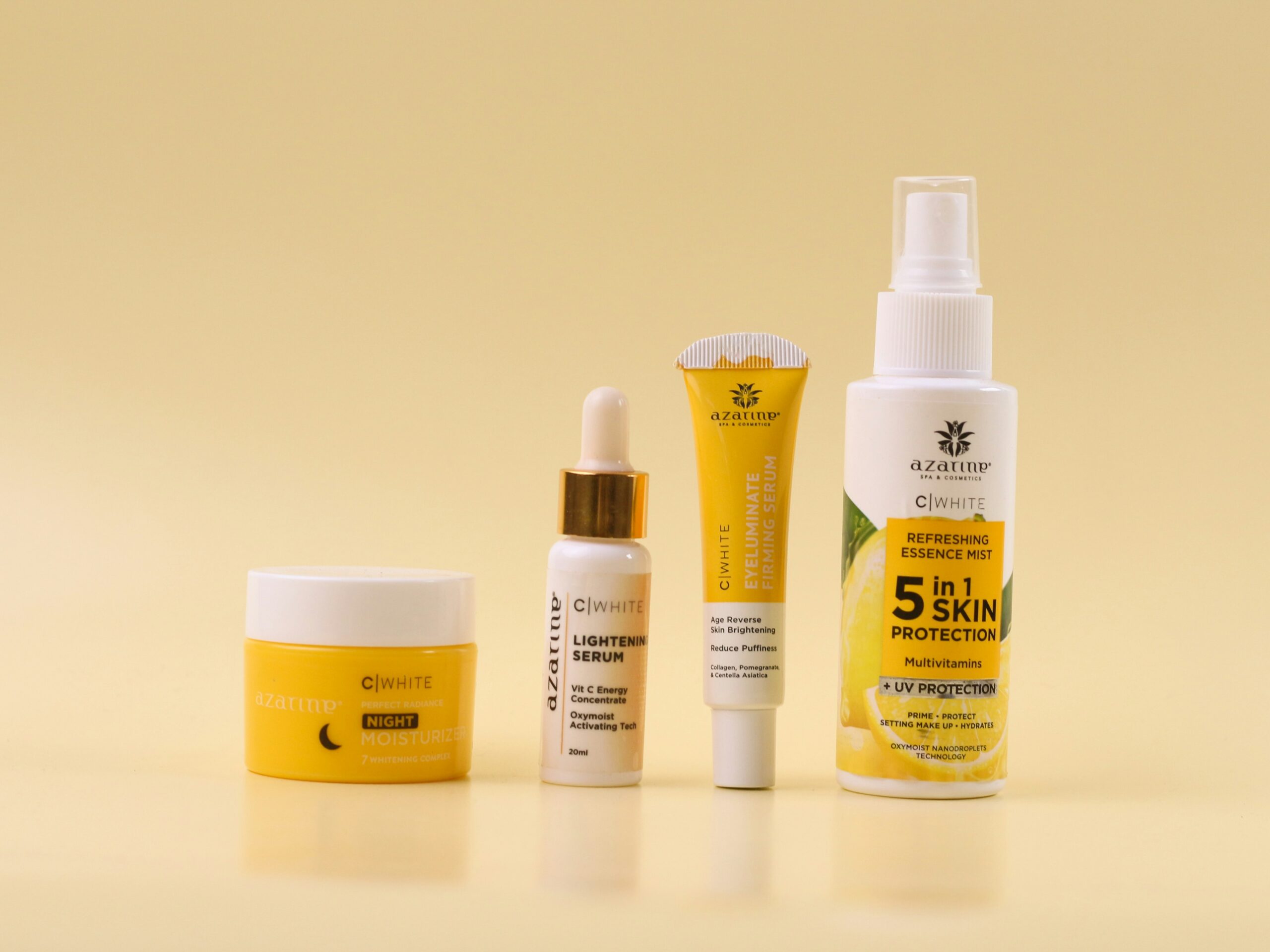
Most folks have good things. The order in which they use them is the problem.
The active ingredient in a $15 niacinamide serum never gets to the skin cells it’s supposed to affect, so it’s very much a waste of money. Layering skin care is more than simply a habit; it’s a way to get things done. If you don’t get the order right, you could be impeding absorption or making things worse.
Here’s how it works and why it does.
The Core Logic: Thinnest to Thickest
The guiding principle is simple: apply products from lowest to highest viscosity. Water-based, lightweight formulas go first because they absorb directly into bare skin. Thick creams and oils go last because they form a physical layer that seals everything underneath.
If you apply a face oil before a serum, you’ve created a barrier. The serum, being water-based, can’t penetrate through lipid molecules sitting on the surface. It just evaporates.
This isn’t aesthetic preference; it’s basic chemistry. Skin absorbs hydrophilic (water-loving) molecules easily. Lipophilic (oil-based) molecules don’t absorb the same way; they sit on top, which is actually what you want them to do at the end of your routine.
Morning Routine: The Correct Sequence
1. Cleanser
Start clean. Even if you wash at night, skin accumulates sebum and sweat during sleep. A gentle, pH-balanced cleanser ideally around pH 4.5–5.5 to match your skin’s acid mantle is enough. In the morning, most people don’t need anything stronger than a micellar water or a mild foaming cleanser.
Harsh cleansing strips the barrier and makes everything that follows less effective, not more.
2. Toner or Essence
This step is optional but genuinely useful. A hydrating toner (not the old-school alcohol-heavy kind) rebalances skin pH after cleansing and starts the hydration layering process. Apply while skin is still slightly damp.
Essences, popular in Korean skincare, work similarly; they’re essentially lightweight hydrators packed with fermented ingredients or hyaluronic acid that prime skin for the next step.
3. Serums
This is your active ingredient delivery step, the most important layer in terms of results.
Apply water-based serums before anything else. Key activities most people use in the morning:
- Vitamin C (L-ascorbic acid): Applied in the morning when antioxidant protection is most relevant. Works best at low pH (under 3.5), so give it 3–5 minutes before layering anything else.
- Niacinamide: Versatile, well-tolerated, and compatible with most other ingredients. Fine to layer.
- Hyaluronic acid: Applies after other active serums. Draws moisture in — more effective when applied to damp skin.
Important: Vitamin C and niacinamide are often said to react badly together. In practice, this is mostly a myth at normal use concentrations. However, vitamin C does work better in an acidic environment, and niacinamide is more neutral. If you use both, apply vitamin C first and give it a few minutes.
4. Eye Cream
Eye cream, if you use one, goes on before moisturizer. The skin around the eye is thinner and more sensitive; applying it before a heavier moisturizer ensures it’s not diluted or physically pushed around by subsequent product application.
Pat gently with a ring finger. The pressure from an index finger is more than the skin is designed to handle repeatedly.
5. Moisturizer
Locks in everything underneath. Even oily skin types benefit from a lightweight moisturizer, as dehydrated oily skin overproduces sebum as a compensatory mechanism. A gel-cream or water-gel formula works well for oilier skin. Richer creams for dry or compromised barriers.
6. SPF — Always Last
Sunscreen is the final morning step, full stop. It needs to sit on the surface of the skin to function correctly. Applying moisturizer on top of sunscreen disrupts the filter matrix in chemical sunscreens and can physically scatter the UV-blocking particles in mineral formulas.
Use at least SPF 30, ideally SPF 50. Reapply every two hours if you’re outdoors.
Evening Routine: What Changes and Why?
The night routine runs on a different logic. You’re not protecting against UV, you’re repairing and regenerating. This means actives that are photosensitive (retinoids, certain acids) or that cause photosensitivity belong at night.
1. Double Cleanse (If You Wear Sunscreen or Makeup)
An oil cleanser or micellar water removes sunscreen and makeup first. Then follow with a water-based cleanser. This isn’t optional. If you wear SPF, most water-based cleansers don’t fully remove mineral or chemical sunscreen alone.
2. Exfoliating Acids (2–3x Per Week, Not Every Night)
AHAs (glycolic, lactic) work on the surface. BHAs (salicylic acid) penetrate pores. Apply these before serums and before retinol. They drop the skin’s pH, which actually enhances retinoid absorption, but let them absorb for 20–30 minutes first to reduce irritation risk.
Don’t use exfoliating acids on the same night as high-concentration retinol if your skin is sensitive. The combination can compromise the barrier faster than it can repair.
3. Serums (Peptides, Retinol Alternatives, Repair Ingredients)
Peptides go well in evening routines. They work at a different receptor level than retinol and can be layered in the same routine, though some formulators recommend separating them to avoid potential interference.
4. Retinol or Retinoids
This is where most people go wrong. Retinol is not a serum — it’s an oil-soluble active. It can go after a lightweight moisturizer if your skin is sensitive (the “sandwich method”), but for most people, it works best applied directly to skin before moisturizer. Start at 0.025–0.05%, three nights per week, and build tolerance over 8–12 weeks before increasing.
Real-world note: A 2021 case reported by dermatologist Dr. Shereene Idriss highlighted a patient who had been using retinol for two years without results. The culprit: she was applying it over a thick niacinamide moisturizer. Once the layering was corrected, she saw visible changes within six weeks. The product hadn’t changed — only the order.
5. Moisturizer
Same role as morning seals and supports the barrier overnight. At night, you can use a richer formula. Ceramide-based creams support barrier repair, which is especially relevant when using retinoids that accelerate cell turnover and can temporarily weaken the barrier.
6. Face Oil (If You Use One)
Face oils go last in the night routine. Because they’re lipid-based, they form an occlusive layer that prevents transepidermal water loss. They don’t add water — they keep existing hydration in.
7. Occlusives (Optional)
Vaseline or heavy balms like Aquaphor go absolutely last. This is “slugging,” and it works; studies on occlusion confirm it reduces water loss significantly. Apply a thin layer over your moisturizer (not over active ingredients directly, as the occlusive layer can increase penetration unpredictably).
Where People Consistently Get It Wrong?
| Mistake | Why It’s a Problem |
|---|---|
| Applying SPF before moisturizer | Disrupts sunscreen film integrity |
| Using face oil before serum | Creates lipid barrier that blocks water-soluble actives |
| Layering retinol over thick cream | Reduces efficacy; retinol needs to reach viable epidermis |
| Mixing vitamin C with alkaline products immediately | Degrades L-ascorbic acid, reduces potency |
| Double exfoliating (AHA + BHA + retinol same night) | Barrier damage and inflammation |
| Applying eye cream last | Gets displaced and diluted by heavier products |
Active Ingredient Conflicts Worth Knowing
Not everything should share a routine, even in the right order:
Don’t combine in the same application:
- Retinol + AHA/BHA (unless you’re experienced and have a strong barrier).
- Vitamin C (L-ascorbic acid) + benzoyl peroxide (oxidizes and inactivates the vitamin C).
- Two different exfoliating acids are used at high concentrations simultaneously.
Pairings that actually work well:
- Hyaluronic acid + everything (universally compatible).
- Niacinamide + retinol (niacinamide reduces retinol-induced irritation).
- Ceramides + peptides (complementary barrier repair).
- SPF + vitamin C (antioxidant boosts photoprotection).
The American Academy of Dermatology recommends patch testing new combinations on the inner arm before applying to the face — a step most people skip and later regret.
FAQ
Does it really matter if I wait between steps?
For most products, now you can move through your routine quickly. The exceptions are vitamin C (give it 3–5 minutes to oxidize properly) and exfoliating acids (let them work for 20 minutes before applying pH-sensitive actives). Otherwise, waiting for each layer to “dry” a bit before the next is enough.
Can I use vitamin C at night instead of in the morning?
Yes, though the logic for morning use is sound: antioxidants neutralize free radicals generated by UV exposure, so morning makes more strategic sense. At night, the skin is in repair mode and doesn’t generate the same oxidative stress. That said, vitamin C at night still provides benefit — use it whenever you’re most consistent.
My skin feels tacky after layering. Am I using too many products?
Probably, or you’re not waiting long enough between layers. More than 3–4 products in a routine is often unnecessary. Prioritize: cleanser, one or two targeted actives, moisturizer, SPF. Complexity doesn’t correlate with results.
Should I change my routine seasonally?
Skin barrier function shifts with humidity and temperature. In winter, cold air and indoor heating reduce ambient humidity, which increases transepidermal water loss. Adding a heavier moisturizer or an occlusive step during colder months makes practical sense. In summer, many people find lighter gel formulas and double SPF application more comfortable.